


When a breakout finally clears, it doesn’t always leave clean skin behind. An indent or a stubborn mark can linger, often because the damage sits deeper than any topical product can reach.
At Schlessinger MD, board-certified dermatologists Drs. Joel and Daniel Schlessinger perform a specialized procedure called subcision, which treats indented acne scars at the depth where they form. Dr. Daniel helped to advance this remarkable technique during his fellowship in cosmetic dermatology and has co-authored a textbook chapter on it. Those details matter more than they might seem, because subcision is a nuanced, technically challenging procedure where technique determines the result.
What is subcision?
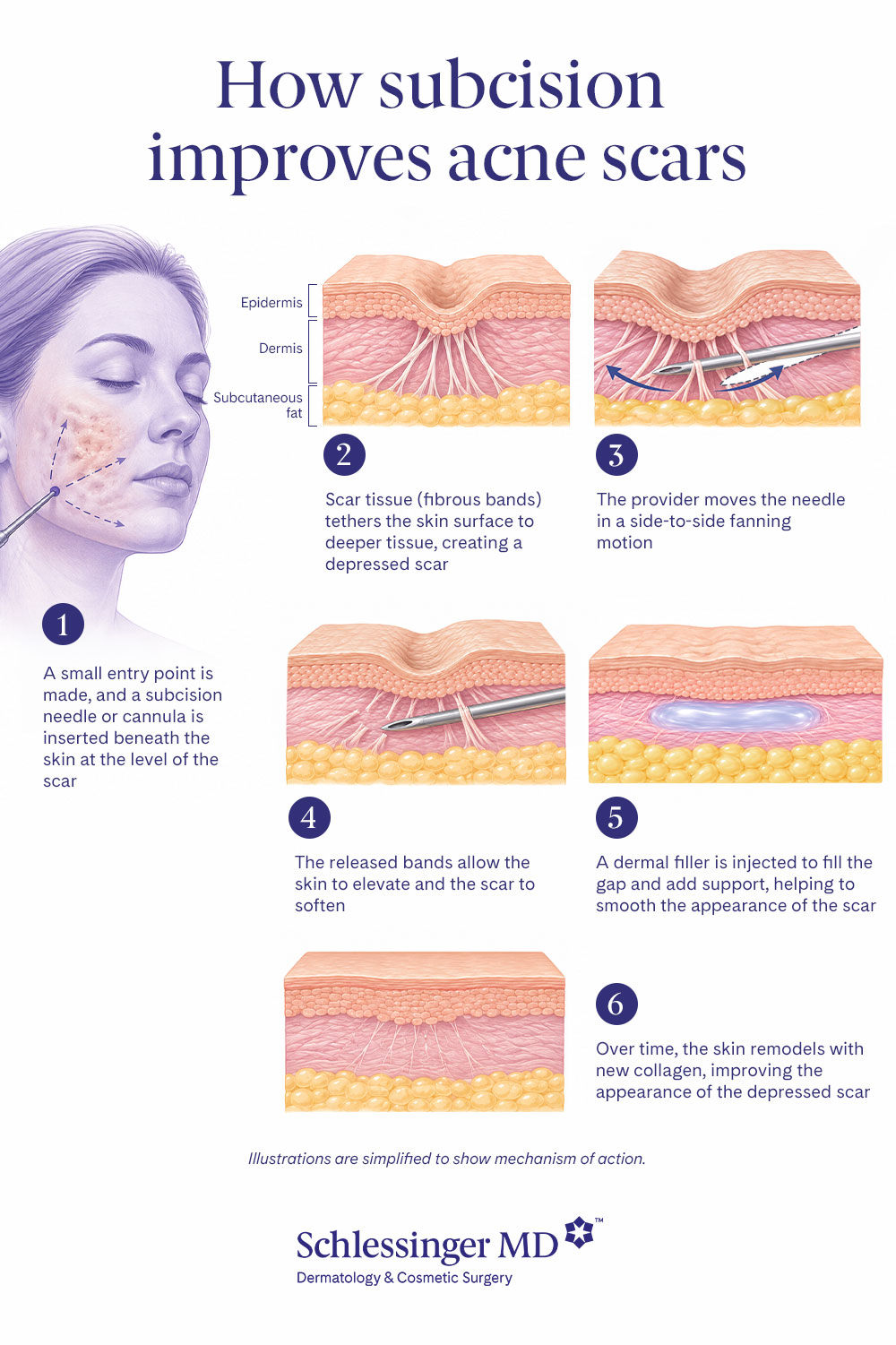
Subcision is a procedure that frees indented scars from the tissue pulling them downward. Dermatologists have used it since the 1990s, and the method has been refined steadily since then. Releasing the bands that pull scarred skin down lets it lift back to a more even surface, and the healing that follows helps fill in what’s left behind.
“When cystic acne heals with a scar, it is deep in the skin. Like a black hole, the contracted scar tissue sucks everything in around it. Subcision is really the only procedure that is good at releasing this tethered-down scar tissue,” says board-certified dermatologist, Mohs surgeon and cosmetic surgeon Dr. Daniel Schlessinger. “First, we numb the area with injections. After the numbing medication takes effect, we use a special needle, cannula, or a subcision tool called the Taylor Liberator to release the underlying scar tissue from multiple angles. Once the scar tissue has been released, we follow it with a small amount of hyaluronic acid filler to fill the gaps, level out the skin under the scars and prevent the scar tissue from reforming.”
Dermatologists vary in how they approach the procedure. Dr. Daniel trained in subcision under Dr. Murad Alam, a world-renowned expert in subcision who published a pivotal study over 20 years ago describing his experience with subcision. That training shapes how we perform it at Schlessinger MD.
Why surface treatments for acne scars miss the mark
“If you think about what makes an acne scar, it often starts with a cyst that’s deep under the surface of the skin. So the scar is deep underneath the skin too, and it won’t respond to something very surface-level like plain old microneedling or a mild chemical peel. You have to surgically release this deep scar tissue in order to get it to go away,” says Dr. Daniel.
That depth is what separates subcision for acne scars from the treatments most people try first. Rather than working on the skin’s surface and hoping the change reaches far enough down, the needle goes to the tethered tissue directly.
Why technique makes the difference
Subcision looks simple on paper, but in practice, small decisions can change the outcome considerably. Dr. Daniel’s textbook chapter on minimally invasive scar treatment covers several of them. Every scar is meticulously mapped out before numbing the area, since swelling from the numbing can blur the edges and hide the very indentations that subcision is aimed at correcting. One scar may also need to be approached from a few different directions before it fully releases. You won’t notice either of these steps while you’re in the chair, but both affect the result.
One session of subcision is often enough when it’s done thoroughly and when accompanied by other treatments such as hyaluronic acid filler and laser resurfacing following the procedure. Changes will be noticeable right away, although it takes 1-2 weeks for the swelling to resolve and about 4-6 weeks to see the final effects of the procedure.
Releasing the scar tissue opens a space, and a small amount of hyaluronic acid holds that space so the tissue doesn’t re-tether as the area heals. It also helps fill in the gaps to level out the surface imperfections in the skin.
Research supports the pairing: patients who received hyaluronic acid filler after subcision saw much better results than those who had subcision alone.
Depending on the type or degree of scarring that is present, Dr. Schlessinger may recommend resurfacing laser too, using ProFractional erbium or HALO to blend the texture of the skin’s surface.
What subcision treats, and what it doesn’t
Depth isn’t the only variable when it comes to scarring. Subcision works on a range of acne scars, but indented rolling scars tend to respond best. In contrast, ice pick scars run narrow and deep (more like a thin, deep puncture than a dent) and often need a different approach, and other scar types fall outside the procedure’s range entirely.
“While subcision is outstanding for scars that are depressed and ‘pincushioned’ in appearance, there are other scars that are more elevated or scars due to trauma that may respond better to laser, injections with a steroid or even with excision and closure with stitches,” says Dr. Joel Schlessinger, board-certified dermatologist, Mohs surgeon and cosmetic surgeon. “Laser, in particular, is used for scars that occur after a procedure or excision. Additionally, other lasers such as intense pulsed light devices can be used on reddish or traumatic scars.”
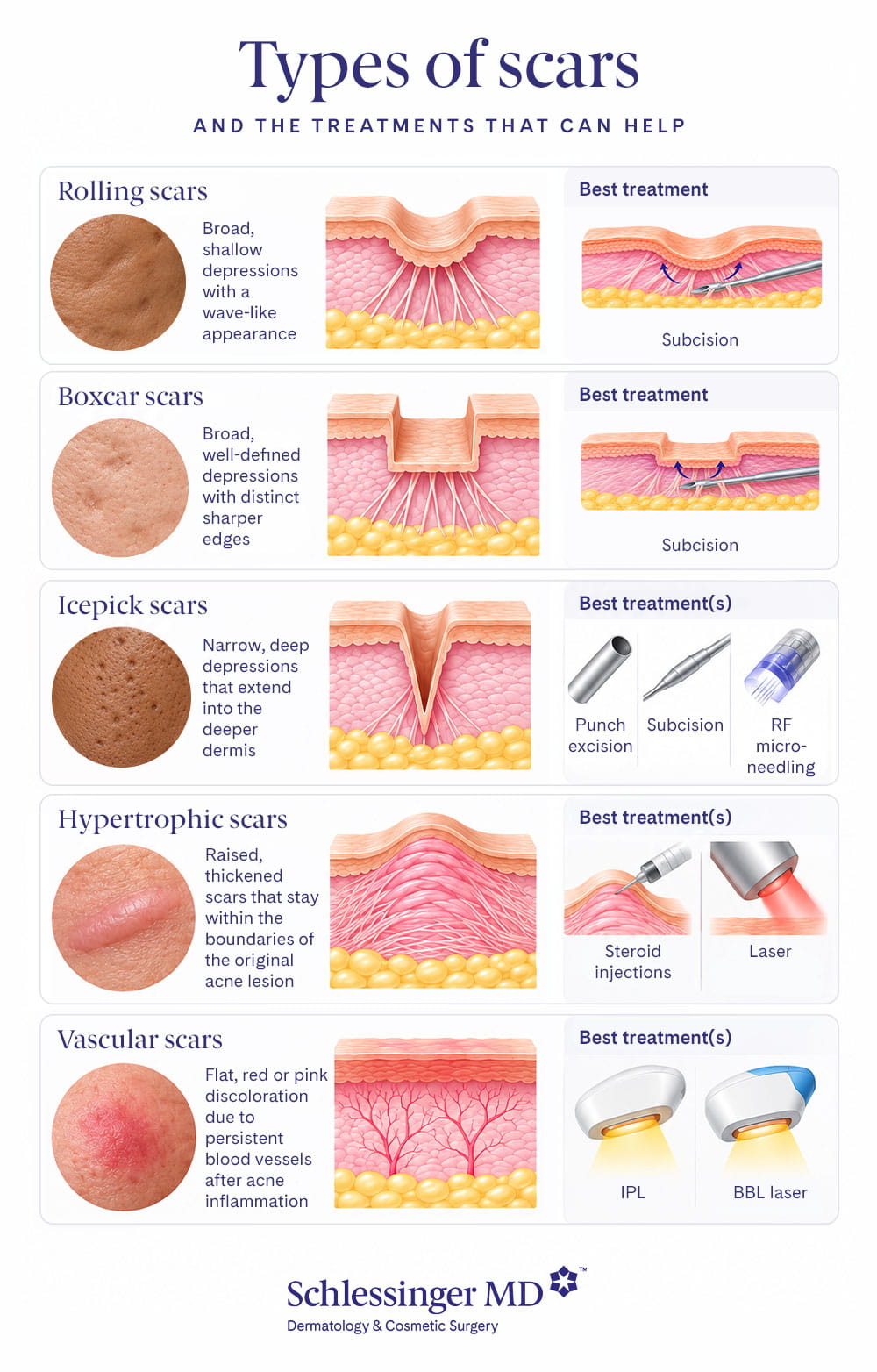
That’s why the consultation matters as much as the procedure. A board-certified dermatologist can identify what kind of scar you have and match the treatment to it, or sometimes point you toward options you didn’t know existed. Subcision is also used on certain types of cellulite, for instance. Dr. Joel Schlessinger was involved in the evolution of this treatment and clinical research for other approaches to it, including Endermology and Qwo, two treatments that were some of the earliest effective options for cellulite.
“Cellulite can sometimes be treated with subcision if it’s the type that’s pincushion in nature,” Dr. Joel says. “We’ve used devices, such as Cellfina, which is no longer on the market, to treat cellulite in this manner. Because it didn’t address the cellulite that is more wavy in nature, it didn’t gain favor. Having said this, there are many cellulite areas, especially on the buttocks, that respond nicely to subcision.”
What our dermatologists wish patients knew about acne scarring sooner
Waiting is the most common mistake we see. Untreated acne is more likely to leave scars, and those scars are harder and more expensive to treat than the acne would have been. That’s especially worth knowing for teenagers, where the instinct to let it run its course is strongest and the window to prevent scarring is open.
Treating acne as soon as it appears can lower the risk of scars forming at all, since the deeper breakouts that tend to scar never get the chance to develop.
“If you have acne scarring, go to a board-certified dermatologist who knows how to do subcision,” Dr. Daniel says. “If they don’t know how to perform subcision and aren’t offering it at their practice, they are missing out on the single greatest treatment for acne scars and it is likely they aren’t really giving you the full range of options. I can’t tell you how many patients I’ve seen who have spent tens of thousands of dollars on ineffective treatments for acne scarring prior to finding us and then having wonderful results with a single session of subcision.”
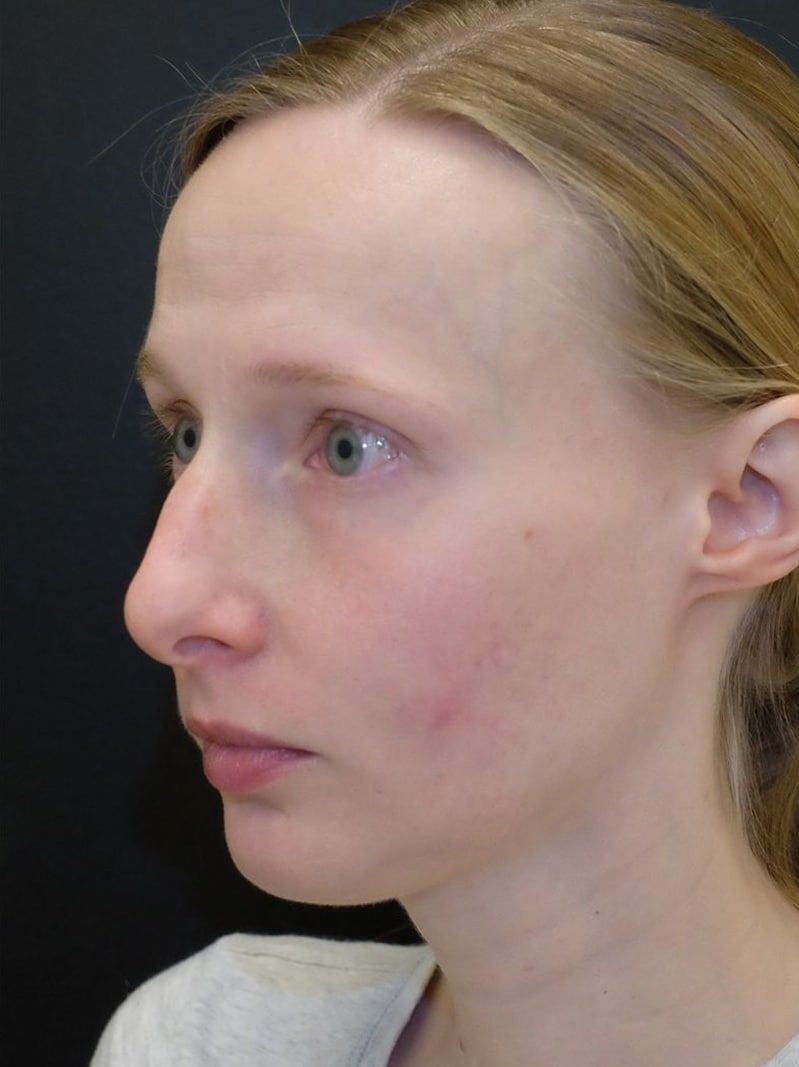
“After struggling with acne scarring for more than 15 years, I can honestly say that seeing Dr. Daniel Schlessinger was one of the best decisions I’ve made for my skin.
Over the years, I’ve spent thousands of dollars on treatments that promised improvement for acne scars, including microdermabrasion, chemical peels, microneedling, RF microneedling, and various laser treatments. While some provided minor improvements, none delivered the kind of noticeable results I was hoping for.
I spent a few weeks researching subcision and trying to locate a provider in Omaha who offered this service. To my surprise, Dr. Daniel Schlessinger was really the only provider in the area offering subcision, so I scheduled a consultation—and I’m so glad I did.
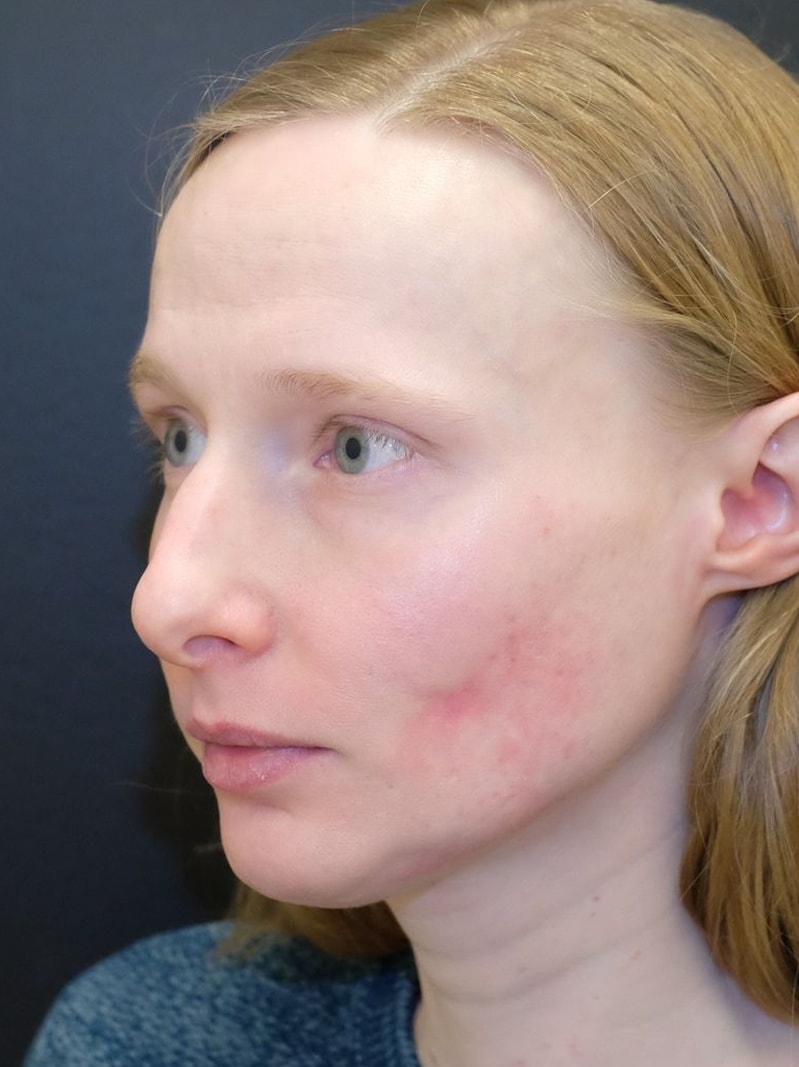
The results have been amazing. This is the first acne scar treatment I’ve ever had where people actually noticed a difference without me pointing it out. Once the healing process was complete, friends and family began commenting on how much smoother my skin looked, which was incredibly validating after years of trying different treatments.
What impressed me most, however, was Dr. Daniel Schlessinger himself. During the procedure, he was extremely thorough and took his time. He explained exactly what he was doing, why he was doing it, and what areas he was targeting. At no point did I feel rushed. It was obvious that he genuinely cared about achieving the best possible outcome and was invested in my results.
Even at my follow-up appointment, he was excited to see my progress and just as enthusiastic about the results as I was. That level of care, attention, and dedication is rare and made a huge impression on me.
If I could go back in time, I honestly would have skipped many of the other treatments I tried and gone straight to subcision. For anyone struggling with acne scarring and considering treatment options, I cannot recommend Dr. Schlessinger highly enough. The results, expertise, and patient care exceeded my expectations.
10/10 experience. I would absolutely trust Dr. Schlessinger again and would recommend him to anyone looking for meaningful improvement in acne scarring.” – Sara T., Google
If indented acne scars have bothered you for years and nothing has moved the needle, a consultation with Dr. Joel or Dr. Daniel through our appointment portal is the right place to start.
Schlessinger DI, Walocko F, Alam M. Minimally invasive procedures in scar management. In: Labadie JG, Alam M, Dover JS, eds. Procedures in Cosmetic Dermatology: Scar Management. 2nd ed. Elsevier; 2025:38-44.