


Mohs surgery in Omaha, NE
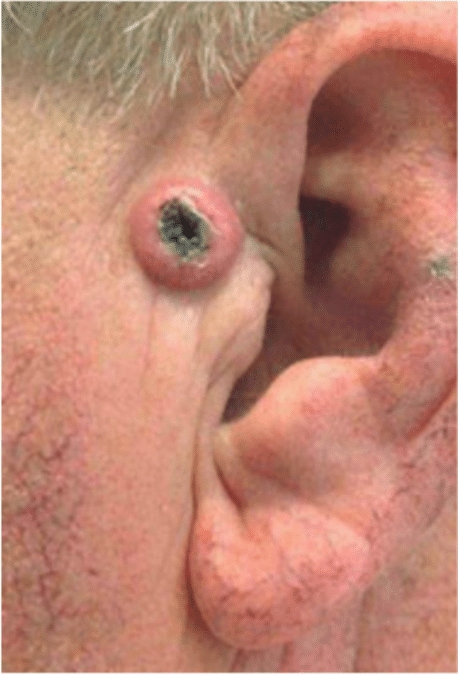
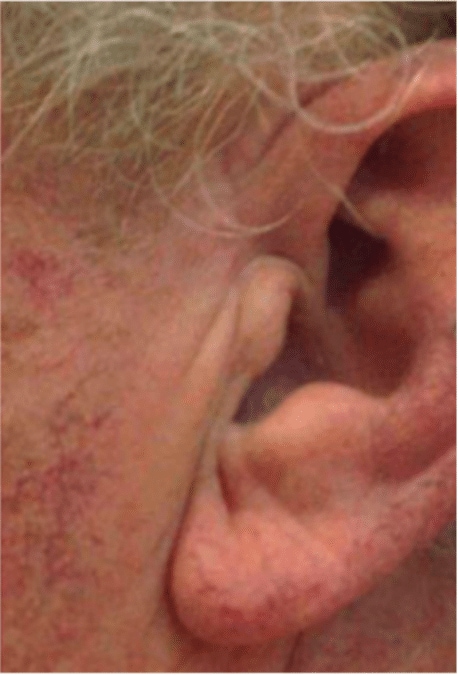
Why choose Mohs surgery?
Skin cancer is increasing in America and throughout the world due to the loss of the ozone layer and tanning practices. If you or a loved one is dealing with skin cancer now, it is important to know what the term ‘Mohs surgery’ means and why it may be your best chance for a complete and fast cure.
Mohs micrographic surgery is widely regarded as the most precise method for removing many common skin cancers, because it removes the cancer completely while preserving as much healthy skin as possible. At Schlessinger MD, board-certified dermatologists and Mohs surgeons Dr. Joel Schlessinger and Dr. Daniel Schlessinger perform Mohs surgery in Omaha, Nebraska.
What is Mohs surgery?
Mohs micrographic surgery is a specialized technique for removing skin cancer one layer at a time. It is named after Dr. Frederic Mohs, a Wisconsin surgeon who pioneered this technique starting in the 1930s, and it was later refined by several other surgeons. Each layer is examined under a microscope before any more tissue is removed, so the surgeon can see exactly where cancer cells remain and where they do not. Essentially, it is microscopic surgery.
This layer-by-layer approach is what sets Mohs surgery apart from standard excision. Rather than estimating how much normal skin is required to “clear” the skin cancer, Mohs surgery removes only the tissue that contains skin cancer, sparing as much normal skin as possible. The result is a very high cure rate paired with the smallest possible wound.
Mohs surgery is especially effective for basal cell carcinoma and squamous cell carcinoma, the two most common forms of skin cancer. It is considered the gold standard treatment for these skin cancers on the face, scalp, ears, hands, feet, lower legs, genitals, and other areas where preserving healthy tissue is important. Leading authorities like the Skin Cancer Foundation recognize it as the most effective technique for treating many of these cancers.
How Mohs surgery works
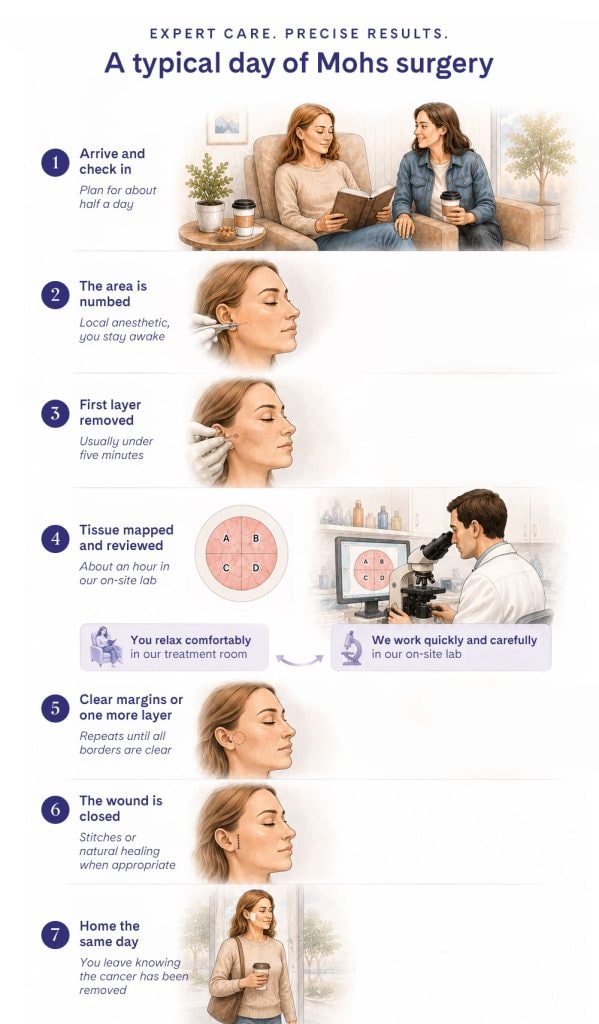
Mohs surgery is performed in stages during a single visit. The area is numbed with a local anesthetic, allowing you to stay awake and comfortable throughout. Most patients spend about half a day with us while the tissue is processed and reviewed between stages.
- The area is first numbed with a local anesthetic.
- In the first layer, Dr. Schlessinger will remove a small layer of tissue – just the skin cancer that is visible with the naked eye. This part usually takes less than 5 minutes.
- This piece of tissue is then carefully mapped and examined under a microscope to see if any skin cancer cells remain in the area around or underneath the skin cancer. This part takes about an hour.
- If the borders of the skin that was taken are free of skin cancer, then Dr. Schlessinger will discuss options to close the wound. If there are still skin cancer cells, Dr. Schlessinger will take another small piece of skin in precisely the areas where they were present under the microscope.
- This process is repeated until all borders of the tumor are free of skin cancer.
- Although Dr. Schlessinger will typically close most wounds with stitches, some wounds may heal better on their own (also called second intention healing or granulation), such as some on the lower legs or scalp. Occasionally, for larger wounds or wounds in very sensitive areas, you may see a plastic or oculoplastic surgeon, whom we work closely with, to close the wound.
Because Dr. Schlessinger reviews each layer in our on-site lab before moving on, you leave knowing the cancer has been removed. Once the area is confirmed clear, the wound is closed to support the best possible healing.
“Mohs surgery lets us confirm we’ve removed the cancer completely before we ever close the wound. That precision is what protects both the patient’s health and their appearance,” says Dr. Joel Schlessinger, board-certified dermatologist, Mohs surgeon and cosmetic surgeon.
Mohs surgery recovery: Wound healing and aftercare
Once the cancer is confirmed gone, wound aftercare begins. The wound is usually closed with stitches, and how it is closed depends on the size and location of the area. The care may include additional repairs to ensure the best possible functional and aesthetic outcome for our patients. Your care team sends you home with a dressing in place and clear, written instructions specific to your wound.
Typical aftercare includes:
- Keep the dressing clean, dry and in place for the first day
- Clean the area gently with a small amount of hydrogen peroxide to clear off bloody, crusty material, then cover with a layer of Polysporin ointment and a bandage.
- We do NOT recommend Neosporin use at all, as repeated use often leads to an allergic reaction. Even Polysporin can have allergic reactions, so another alternative may be Vaseline (Petroleum Jelly) if you are allergic to Polysporin.
- Keep the wound covered and moist while it heals. Do not let it “dry out” as that will only lead to prolonged healing and an increased risk of scarring. A moist wound is a happy wound!
- Avoid heavy lifting and strenuous activity to limit bleeding
- Avoid lakes, pools, and hot tubs as well as other ‘dirty’ areas while the wound heals
- Take it easy for the first few days and keep the area protected
Most stitches on the face are removed at one week after the surgery; stitches on the scalp and anywhere else on the body are typically removed at two weeks after the surgery. Dr. Schlessinger tends to use stitches that we remove in the office, as dissolving stitches tend to heal worse, with more inflammation and redness.
Some tenderness, swelling or bruising is normal early on. Contact us if you notice increasing redness, warmth, drainage, pain or fever or chills, which can be signs of infection and reach out any time you have a question during healing.
Patient reviews
★★★★★
Everyone makes me feel as though I’m being greeted by a friend. They call me by my name and their skill levels are exemplary.
Dr. Daniel Schlessenger recently removed cancer from the bridge of my nose. It required an unusually long and wide incision that would often be closed using skin grafts. But Dr. Daniel, realizing it would be impossible to graft matching skin, employed a series of complex incisions to stretch the surrounding skin. After three weeks you needed a magnifying glass to find the site.
I’m not a model. I’m an 84-year-old male. A scar on my nose or mismatched skin would not be of major importance to me but it was significantly important to Dr. Daniel. My wife and I will be eternally grateful.
This is but one example of the skills and care exhibited by the entire staff. It’s the result of Dr. Joel Schlessenger’s leadership and example.
– Paul M.
Learn more
Schedule an
appointment
to start your
treatment
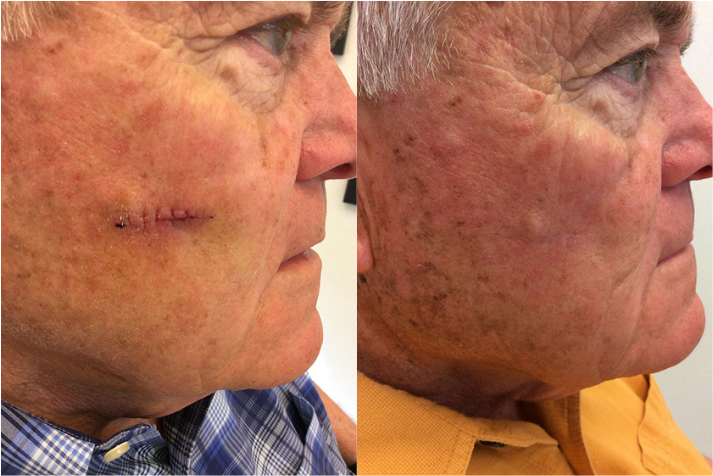
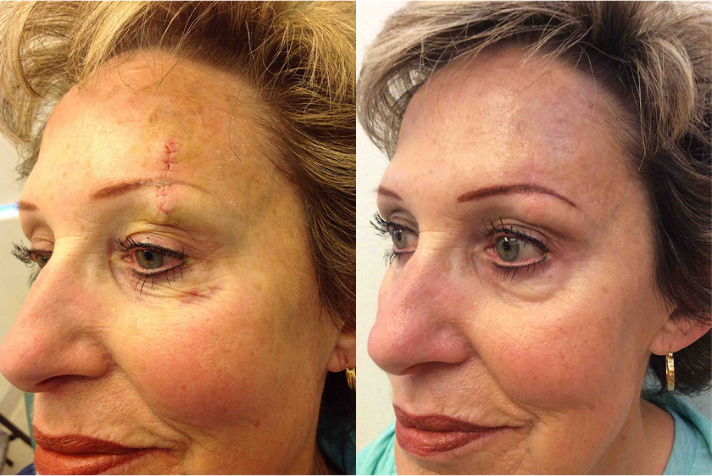
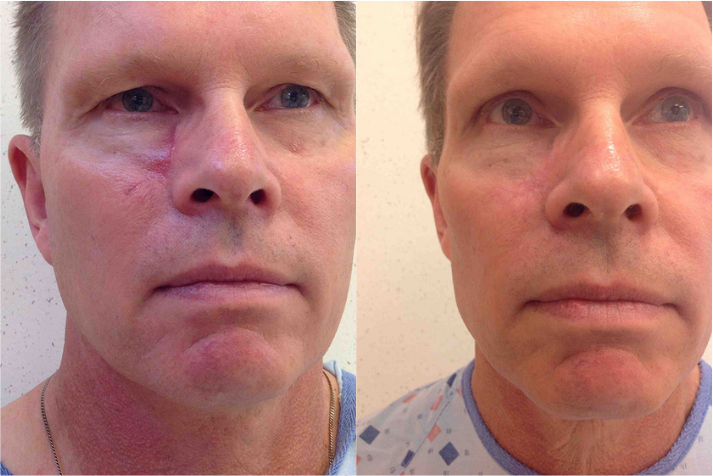
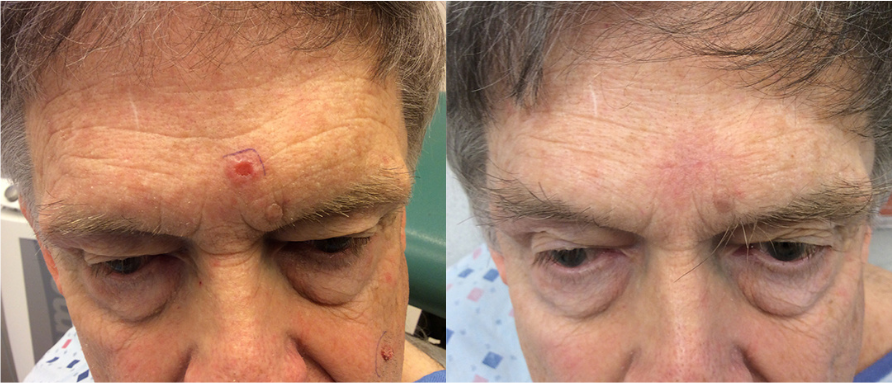
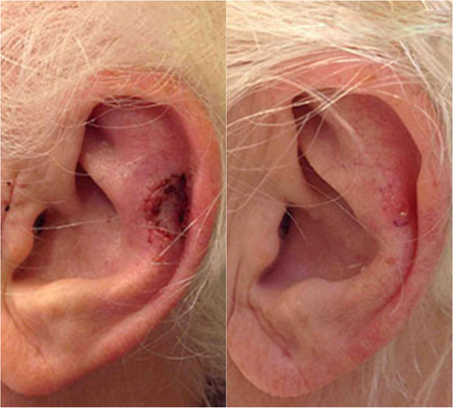
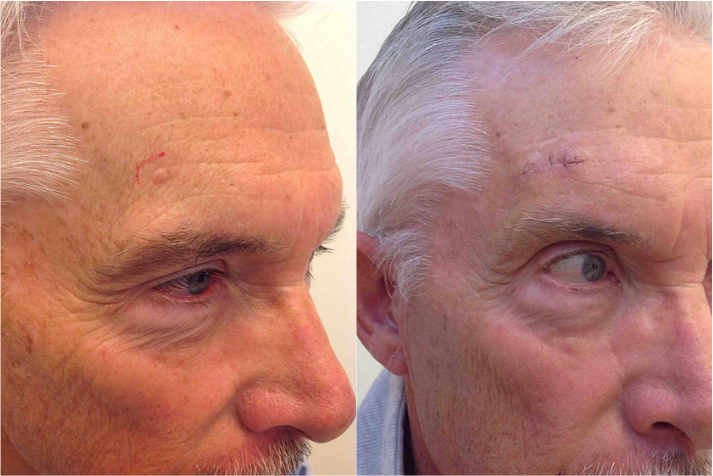
Mohs Surgery Before & afters
These are unretouched photos of Dr. Schlessinger’s own patients
Q&A with Dr. Schlessinger
Your commonly asked questions answered.
Why patients trust Schlessinger MD for Mohs surgery
Few practices in the region offer the depth of Mohs micrographic surgery experience found at Schlessinger MD. Drs. Joel and Daniel Schlessinger are both double board-certified dermatologists and Mohs surgeons, and together they have performed more than 15,000 Mohs skin cancer surgeries. Every procedure is performed in our own Mohs lab, so your tissue is examined here rather than sent elsewhere.
Additionally, Dr. Daniel Schlessinger completed a rigorous dual fellowship in Mohs surgery and dermatologic oncology as well as cosmetic surgery at Northwestern University, where he trained under one of the pioneers of Mohs surgery, Dr. Murad Alam, who also serves as the current president of the American Academy of Dermatology. In addition, he has created many of his own surgical techniques, has published hundreds of medical articles, and is broadly considered one of the most well respected Mohs surgeons in the United States. He personally mentored Dr. Daniel Schlessinger for over a decade prior to serving as his fellowship director.
Because our doctors are trained in both Mohs surgery and cosmetic surgery, the same procedure that removes your cancer also repairs the area with an eye toward the best possible appearance. When a repair calls for a specialist, we may coordinate with a facial plastic or oculoplastic surgeon.
Our commitment to skin cancer care also extends to research. Through the Schlessinger MD Skin Research Center, Dr. Joel Schlessinger has led more than 20 clinical trials on skin cancer and precancer treatments over a career spanning more than 30 years. That combination of surgical skill, cosmetic training and research keeps your care in expert hands from diagnosis through healing.
If you have been diagnosed with skin cancer or want an expert evaluation of a suspicious spot, you can book an appointment online with Drs. Joel or Daniel Schlessinger or call (402) 334-7546 today.
Mohs surgery and skin cancer blogs
Why Mohs surgery is considered the best form of cancer treatment for many skin cancers, including over standard excision, SRT and IG-SRT
A skin cancer diagnosis can feel overwhelming, but understanding your treatment options can help you make the best possible decision for your health. In the last few…
What to expect at your Schlessinger MD mole removal appointment
A suspicious mole can bring up many questions and concerns. With decades of experience and a patient-focused approach, Schlessinger MD provides patients with a comfortable and informative…
UV Awareness Month: Understanding the Difference Between UVA & UVB Rays
Approximately 20% of Americans will develop skin cancer at some point in their life, making skin cancer the most common cancer in the United States. July is UV Awareness…
Sun-care tips and our top sunscreens of 2024
Good sun protection is essential, whether it is during the summer or any other time of the year. At Schlessinger MD, our board-certified dermatologists, Mohs surgeons and…
Related topics
Contact us to learn more about our dermatology services.
At Schlessinger MD our skin experts specialize in various treatments because we believe that everyone can have healthy skin. Joel Schlessinger, MD is a highly skilled and experienced board-certified dermatologist, recognized as the Best Dermatologist and Cosmetic Surgeon in Omaha since 2000. Our team is dedicated to providing you with the best results and experience possible. Contact Schlessinger MD today or book your appointment online now using our booking tool.